
If you often feel pain or cramping in your legs while walking that eases with rest, it may not be simple fatigue-it could be a sign of intermittent claudication, a vascular condition that points to poor blood flow to your leg muscles. Recognizing this early and consulting a vascular specialist can help prevent serious complications such as arterial blockage or limb ischemia.
What Is Intermittent Claudication?
Intermittent claudication is a symptom of Peripheral Artery Disease (PAD), a condition where narrowed or hardened arteries reduce blood flow to the limbs. When you walk or climb stairs, your leg muscles need more oxygen-rich blood. If your arteries are blocked, that supply is limited, leading to pain and cramping-usually in the calves or thighs.
The discomfort usually goes away after resting for a few minutes, which makes many patients ignore it until it worsens.
Major Causes and Risk Factors
The most common cause is atherosclerosis, a buildup of plaque inside artery walls. Other factors that raise the risk include:
Smoking - damages blood vessel linings.
Diabetes - leads to arterial stiffness and slow healing.
High cholesterol & hypertension - accelerate plaque formation.
Sedentary lifestyle - poor circulation and obesity.
People above 50, especially those with diabetes or smoking history, are more likely to develop PAD and intermittent claudication.
Common Symptoms You Shouldn’t Ignore
Muscle pain or tightness during walking that stops after rest.
Numbness, weakness, or heaviness in the legs.
Slow-healing wounds on the feet or toes.
Coldness or color change in one leg compared to the other.
If these symptoms sound familiar, it’s time to consult a vascular surgeon in Delhi for proper diagnosis and treatment.
Diagnosis of Intermittent Claudication
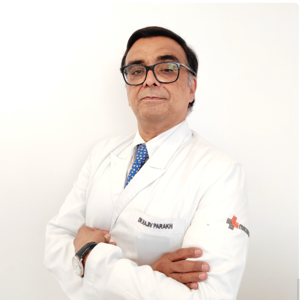
A trained vascular surgeon such as Dr. Rajiv Parakh, known for his expertise in vascular and endovascular procedures, typically performs:
Physical Examination - checking pulse strength and skin condition.
Ankle-Brachial Index (ABI) - comparing blood pressure in legs vs arms.
Ultrasound Doppler Test - to visualize arterial narrowing or blockages.
Angiography - to assess the extent of arterial damage before surgery.
These diagnostic tools help determine whether medication, lifestyle changes, or a minimally invasive procedure is needed.
Treatment Options
Depending on the severity, treatment may include:
Lifestyle Changes:
Quitting smoking, exercising, and controlling diabetes or cholesterol can greatly improve circulation.Medication:
To improve blood flow and prevent clot formation.Endovascular Procedures:
In advanced cases, angioplasty or stenting performed by an experienced surgeon can restore blood supply.Bypass Surgery:
For severe blockages, surgical bypass creates a new path for blood flow.
Patients at Medanta Hospital Gurgaon and other major vascular centers benefit from such advanced treatments with high success rates.
Why Early Consultation Matters
Delaying diagnosis can worsen the condition and lead to chronic limb ischemia, ulcers, or even amputation. That’s why consulting the best vascular surgeon in Delhi is crucial. A timely check-up ensures early detection, less invasive treatment, and faster recovery.
Prevention and Self-Care Tips
Maintain a healthy diet rich in fiber and low in saturated fats.
Stay physically active-brisk walking improves blood circulation.
Keep blood sugar and cholesterol levels under control.
Avoid smoking and manage stress effectively.
By taking small steps toward vascular health, you can prevent major complications later in life.
Conclusion
Leg pain during walking is not always due to age or tiredness-it might be your body warning you of a deeper vascular problem. If you suspect intermittent claudication, don’t ignore it. Book an appointment with Dr. Rajiv Parakh, one of India’s best vascular surgeons, and get a professional evaluation to protect your mobility and quality of life.

Write a comment ...